
The Clash of Antebellum and Industrial America
A Streetcar Named DesireThe conflict between Blanche's faded Southern aristocracy and Stanley's working-class pragmatism represents the broader cultural clash of post-war America.
increasing Bearing strength in each event
 decreasing
Bearing strength in each eventdecreasingBlanche's Arrival in the French Quarter
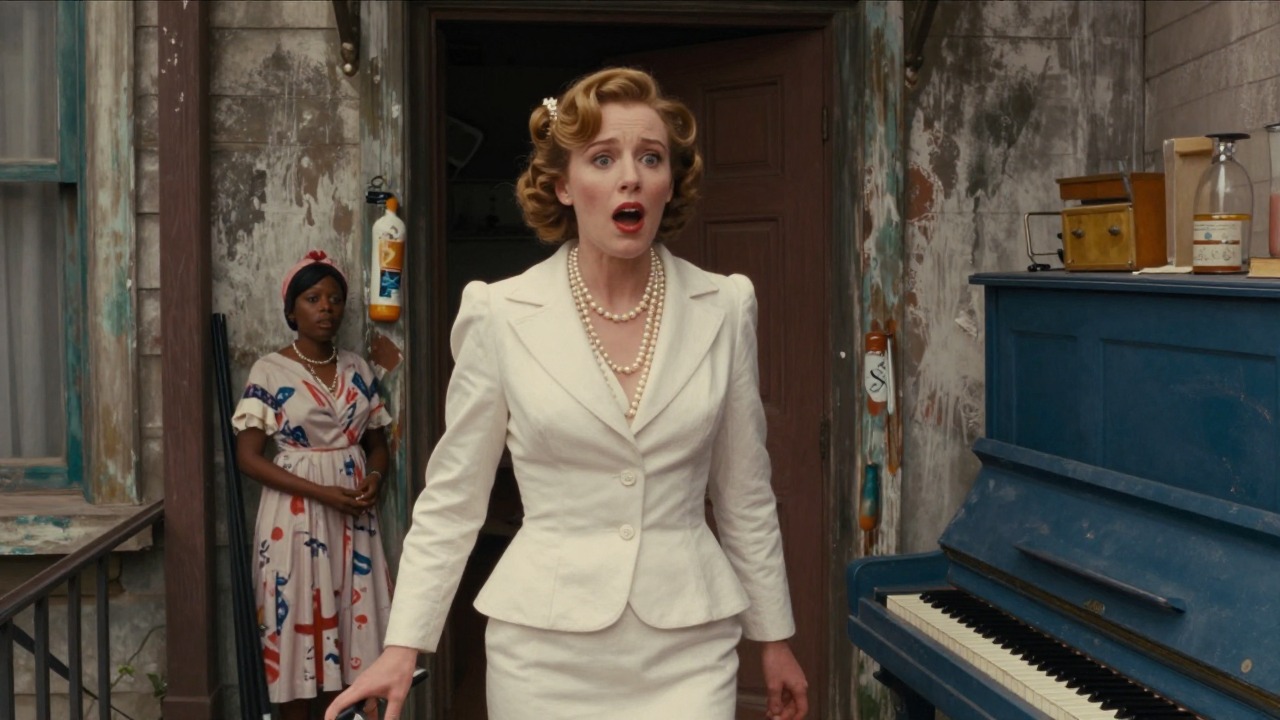
A World Apart
The First Shock
Blanche's white suit and pearls are a jarring contrast to the weathered tenement and the blue piano music. She represents the old South—Belle Reve, the plantation, the world of manners and breeding. The French Quarter, with its raw energy and ethnic diversity, is the new America. Stanley, with his Polish heritage and his pride in being a "one hundred percent American," embodies this new world.
The Inevitable Collision
The clash between Blanche and Stanley is not just personal; it is cultural. Blanche's genteel pretensions are an affront to Stanley's directness. He sees her as a fraud, and he is determined to expose her. Their conflict is a microcosm of the larger social changes happening in America after World War II: the decline of the old aristocracy and the rise of a new, more egalitarian but also more brutal order.
The Napoleonic Code Argument
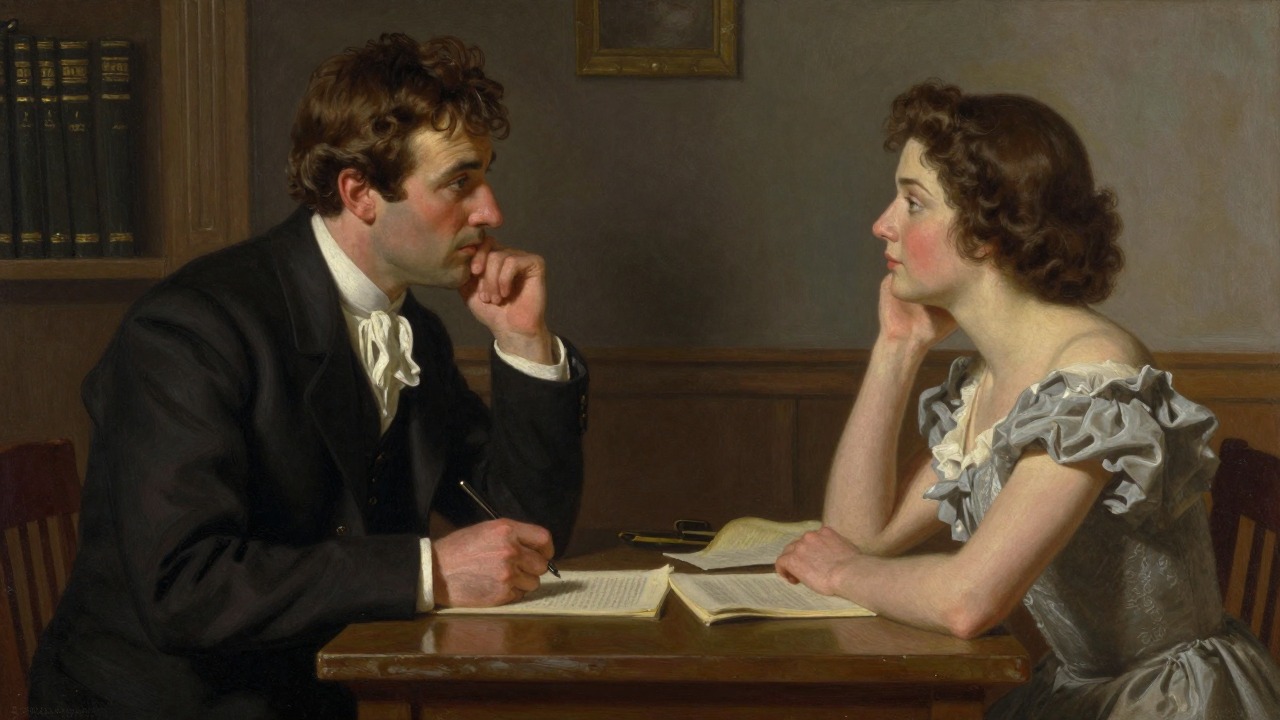
A Legal Battle
The Husband's Claim
Stanley invokes the Napoleonic code to assert his right to know about the loss of Belle Reve. This is a clash of legal systems: the old Southern tradition of property and inheritance versus the Louisiana civil law that gives a husband control over his wife's assets. Stanley's materialism is a threat to Blanche's romantic notion of the family estate.
The End of an Era
Blanche's inability to produce a deed of sale is symbolic of the end of the plantation era. The land has been lost not through a single transaction but through generations of "epic fornications." The old world is gone, and the new world of Stanley Kowalski, where every man is a king, is taking its place. This scene is a turning point in the cultural conflict, as Blanche's aristocratic heritage is shown to be bankrupt.
Stanley's Final Assertion
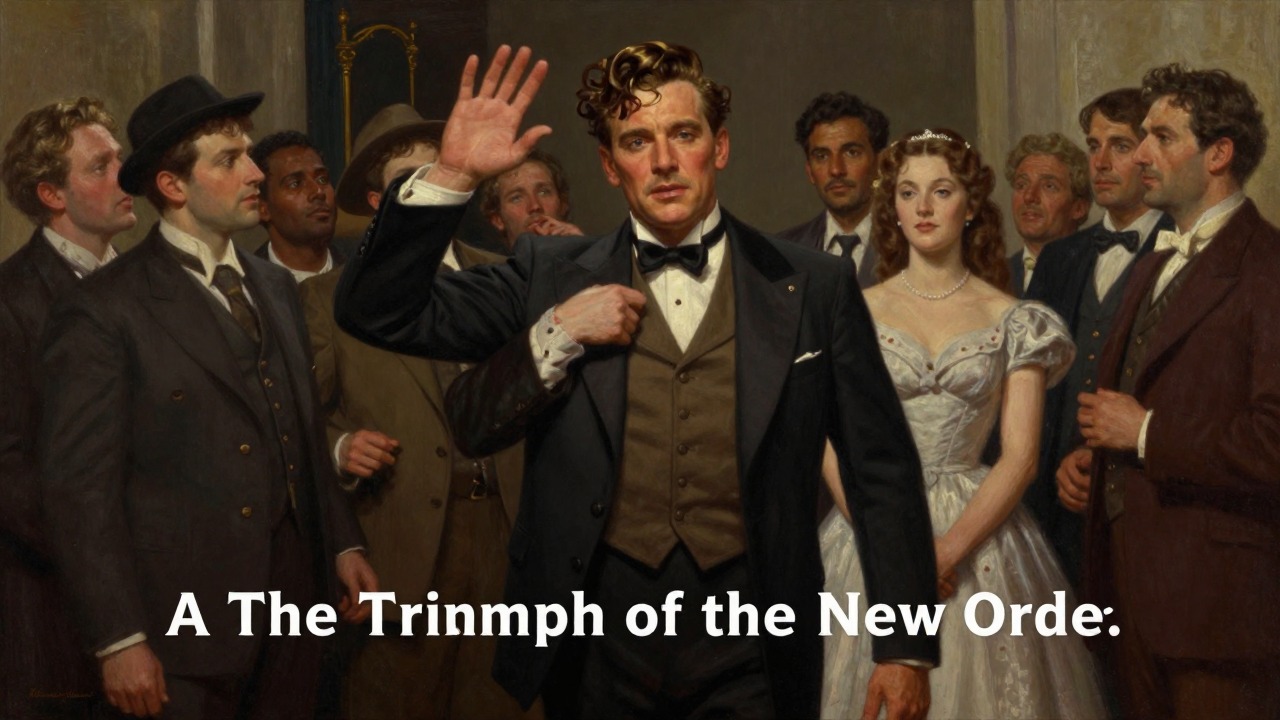
The Triumph of the New Order
The King of the Castle
In the final scene, Stanley's dominance is complete. He has driven Blanche out, he has maintained his marriage, and he has the support of his community. His philosophy of luck and self-reliance has triumphed over Blanche's illusions. The cultural clash has been resolved in favor of the new America.
The Cost of Victory
But the victory is hollow. The play ends with the image of Stanley kneeling beside Stella, his hand on her blouse, as the blue piano plays. The sensual, primal world has won, but it has done so by destroying a human being. The cultural conflict is not just a battle of ideas; it is a struggle that leaves casualties. The play asks whether the new America, for all its vitality, is capable of the compassion and grace that the old South, however flawed, once represented.
early May, evening
the following evening
final scene, some weeks after the rape
